Services
Custom Software Development
Web platforms, mobile apps and APIs, engineered around your processes and built to be maintained.
What do you need?
- Build a new platform or internal systemSoftware development
- Launch or rebuild a websiteWebsite development
- Ship an iOS or Android appMobile app development
- Connect systems and partnersAPI development and integration
- Replace an ageing systemLegacy software modernization
- Release faster with fewer bugsQuality assurance
Releases are small and frequent; feature flags separate deploy from release.
LaunchDarkly, Unleash

How to get started
Three steps to a plan for your software
- 1Tell us what you needUse the project form or book a call. A few sentences about the goal is enough to start.
- 2Free technical consultationWe go through your goals, users, existing systems and constraints with you.
- 3Your planA detailed plan covering the right tech stack, architecture, timeline and budget. Then you decide.
Common challenges
Challenges we solve
Recognise one of these? The capabilities below address each of them.
Packaged software forces workarounds
Core processes run through spreadsheets and manual steps because off-the-shelf software doesn't fit how the business actually works.
A legacy system nobody wants to touch
Critical logic lives in an ageing codebase with few tests and little documentation, so every change is slow and risky.
Systems that can't talk to each other
Data is re-keyed between applications because there are no APIs, or the ones that exist are undocumented.
Releases that break things
Without automated tests and a CI/CD pipeline, each release needs long manual checks and still ships regressions.
What we deliver
Six capabilities, one team
Each capability has its own page with how it works, what you receive and how to start.
- core/platformSoftware developmentCustom products shaped around your business processes, engineered to scale as your requirements grow.Explore software development
- web/siteWebsite developmentFast, accessible, search-friendly websites and web apps that are easy for your team to update.Explore website development
- mobile/appsMobile app developmentNative and cross-platform iOS and Android apps with polished, intuitive experiences.Explore mobile app development
- api/gatewayAPI development & integrationSecure, well-documented APIs that connect your systems, partners and data.Explore api development & integration
- legacy/stranglerLegacy software modernizationMove ageing systems to modern architectures without disrupting the business that depends on them.Explore legacy software modernization
- qa/gatesQuality assuranceManual, automated and end-to-end testing so every release is stable and dependable.Explore quality assurance
Not sure which one you need?
Describe what you want to do and the right capability appears.
Usage: mayrian <command>
Commands:
$ mayrian new-product
Software developmentA product team takes it from discovery to a first release, then grows it sprint by sprint.
requires:
- ✓ A clear problem and the users who have it
- ✓ Someone who can make product decisions
Or press Ctrl K on a capability page to switch between them.
How we approach Custom Software Development
We specialize in building bespoke software that prioritizes speed, reliability and scalability. In a volatile, competitive market, we build products with long-term business value: tailored to your processes and ready for future requirements.
With a legacy of reliability, we've earned our clients' trust through consistent delivery of innovative solutions, and we keep pushing boundaries to craft software that transforms businesses.
How we work together
Engagement models
Four ways to work with us, and who carries which risk. Answer three questions to see which fits.
Which model fits?
Can the scope be written down in full today?
Who will manage the engineers day to day?
How long will the work run?
Our suggestionTime and materialsProducts whose scope will change as you learn from users.
Many projects combine models: a fixed-scope discovery, then a dedicated team for the build.
| model | Fixed scope | SuggestedTime and materials | Dedicated team | Team augmentation |
|---|---|---|---|---|
| Billed on | An agreed price for an agreed scope | The time the team actually spends | A monthly fee for a stable, cross-functional team | A monthly fee per engineer |
| Scope risk carried by | Us | You | Shared | You |
| Team managed by | Us | Us, with your product owner | Us, with your product owner | You |
| Changing priorities | Through change requests | Reprioritise every sprint | The backlog is yours to reorder | Your process, your priorities |
| Usual length | Weeks to a few months | Any length | Usually six months or more | From a few months |
| Fits | A discovery, a proof of concept or an MVP whose scope can be written down in full. | Products whose scope will change as you learn from users. | Long-running product development with a roadmap rather than a fixed scope. | Adding specific skills or capacity to a team you already run. |
How the work runs
Discovery, alpha, beta, live
Each phase ends with a decision, so you commit to the next only when the evidence supports it.
Understand the problem before building anything.
No production code
what happens
- User research with the people who'll use it
- Mapping the current process, systems and data
- Constraints: policy, technical and legal
- The riskiest assumptions, listed
what you receive
- Prioritised user needs
- Findings on the current process
- Recommended scope for alpha
- A cost and timeline estimate
decision · Is there a problem worth solving, and should alpha go ahead?
Two-week sprints in alpha and beta
Planning, a daily stand-up, a review with a demo and a retrospective. Move the cards to see the burndown.
To do 7 pts
In progress 5 pts
In review 3 pts
Done 5 pts
Sprint burndown15 of 20 pts left
Click a card to move it along. Sprint goal: book a check-up as a guest, end to end. Review and retrospective close each two-week sprint.
Where are you today?
Where your software delivery stands
Answer five questions about how you ship software to see what to improve first, and how we'd help.
Work on this first
Change lead time
What we'd put in place:
- Working in small batches
- Trunk-based development
- Streamlining change approval
Quality you can check
Definition of done
The checks every release we ship passes. Open a check to see what it covers.
Security
- Security requirements verified against the Application Security Verification Standard; choose the level below.
Most business applications, and any that handle personal or commercial data.
Testing
Accessibility
Delivery
Operations
Ownership
What you receive
All of it in your name, from day one.
- Requirements, user stories and a technical architecture
- Web, mobile and API code, built in iterations with regular demos
- Automated unit, integration and end-to-end tests
- A CI/CD pipeline and repeatable environments
- API documentation for every integration
- Ownership and documentation handover, training and support
Technologies and standards
Our technology radar
What we recommend today, and what we'd move away from. Choose a blip to see why.
techniques / adopt
Trunk-based development
Short-lived branches merged to main at least daily, so changes reach production in small, low-risk steps.
Our default. We use it on client projects unless there's a reason not to.
Our recommendations. Updated September 2026.
Web and back end
- TypeScript
- React
- Next.js
- Node.js
- Python
- .NET
- Java
Mobile
- Swift (iOS)
- Kotlin (Android)
- React Native
- Flutter
Cloud and delivery
- AWS
- Microsoft Azure
- Google Cloud
- Docker
- Kubernetes
- GitHub Actions
Built to
- OWASP Top 10:2025
- OWASP ASVS 5.0
- OpenAPI 3.2
- WCAG 2.2 AA
How to start
From first call to production
Start where you are. Each step ends with a decision, so you commit to the next one only when it makes sense.
git show v0.1
Free technical consultation
Talk through the goal, the users, the systems involved and any deadlines.
- + A clear view of scope and priorities
- + A recommended next step
- + A plan covering stack, architecture, timeline and budget
By industry
Where it applies
What custom software builds in each industry we serve.
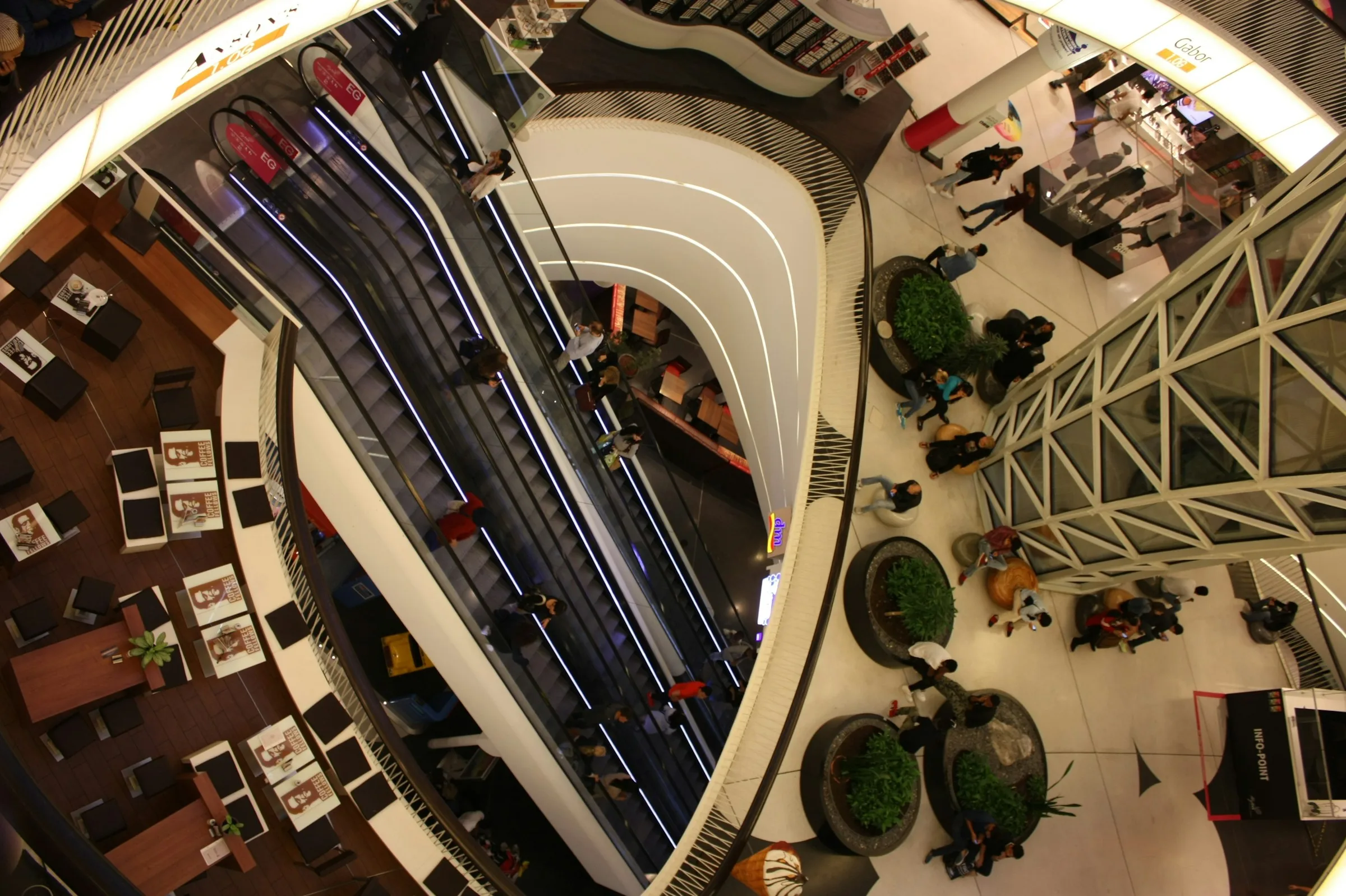 RetailOrder management and inventory syncReal-time stock across stores, warehouses and marketplaces, with order routing for ship-from-store, BOPIS and returns.POS, ERP and payments integrationAPIs and middleware connecting point of sale, ERP, payments and fulfilment so orders, stock and prices stay consistent.
 Financial ServicesDigital onboarding and KYCAccount opening with identity verification, document capture, e-signature and KYC/AML screening through provider APIs.Open banking and payments integrationIntegrations with open banking APIs, payment rails and processors for account aggregation, payments and payouts.
 HealthcareTelehealthVideo visits with scheduling, virtual waiting rooms and visit notes, connected to your calendar and records.EHR integrationHL7 v2 and FHIR integrations so data flows between the EHR and new tools without re-keying.
 EducationAdmissions and enrollment portalsOnline applications, document upload, fee payment and decision tracking, connected to your SIS and CRM.LMS and SIS integrationIntegrations using LTI, OneRoster and vendor APIs so rosters, courses and grades stay in sync.
 Non-ProfitsVolunteer and member portalsSign-up, shift scheduling, hours tracking and communications for volunteers and members.Program and case managementTools for recording beneficiaries, services delivered and outcomes, replacing paper forms and spreadsheets.
 MediaOTT and streaming appsVideo and audio apps for web, iOS, Android and connected TVs, with playback, DRM, downloads and subscriptions.Digital asset managementSearchable asset libraries with metadata, rights and usage tracking across current content and archives.
 ManufacturingProduction monitoringMachine data collected from PLCs and sensors over OPC UA or MQTT into real-time dashboards for OEE, downtime and throughput.Quality and traceabilityDigital inspection checklists, non-conformance tracking and lot and serial traceability from raw material to shipment.
 Real EstateLead routing and CRM integrationEnquiries from every channel routed into your CRM, with automatic assignment and follow-up reminders.Tenant and owner portalsOnline rent payment, maintenance requests with photos, lease documents and owner statements.Property management integrationsConnecting your property management system with accounting, payments and your website.
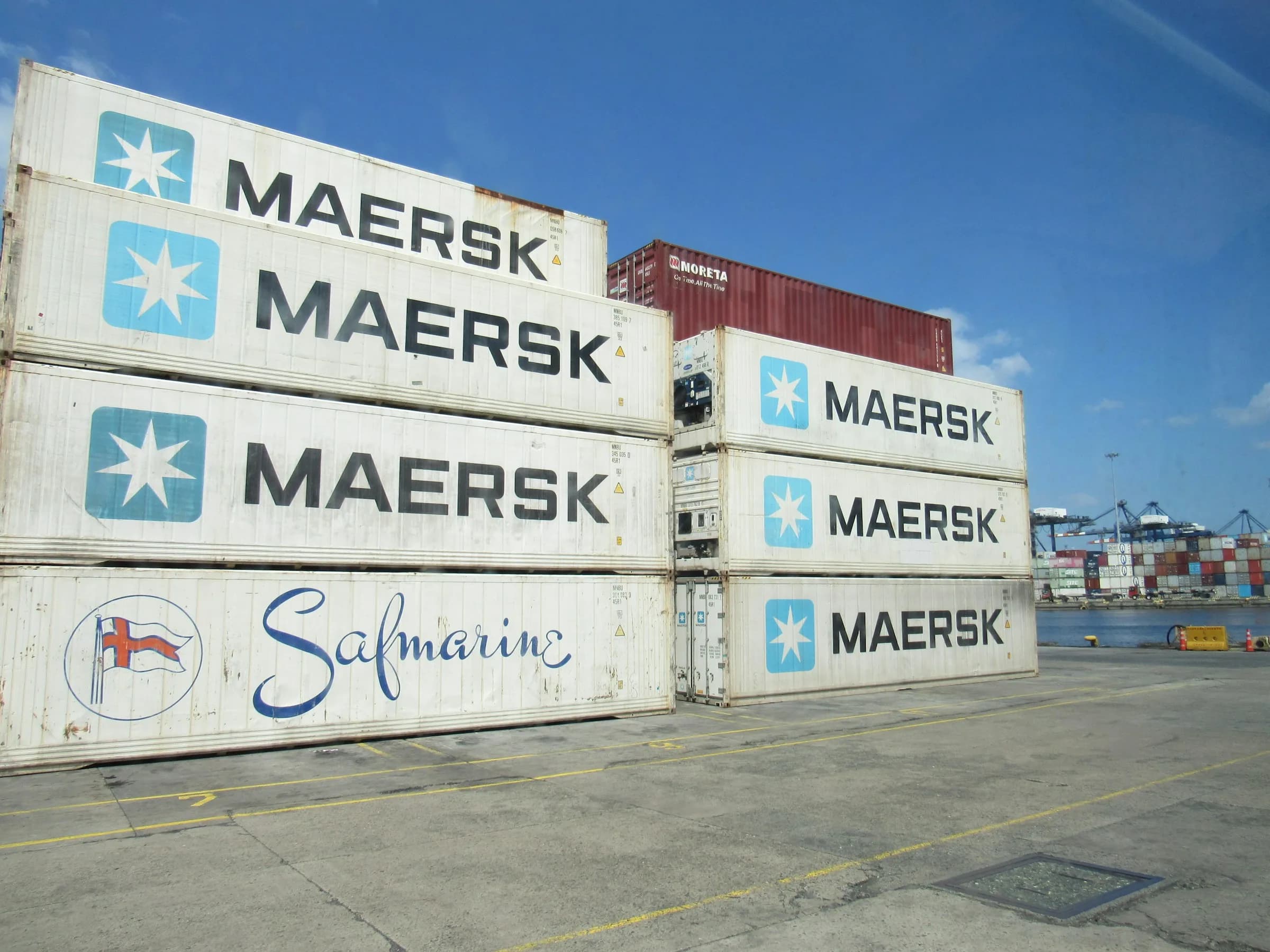 LogisticsShipment tracking and customer portalsTracking from carrier APIs, EDI and telematics, with ETAs and exception alerts shared with your customers.Carrier and EDI integrationEDI (204 load tenders, 214 status messages, 210 freight invoices) and API integrations with carriers, 3PLs and customers.Warehouse mobile appsBarcode and RFID scanning for receiving, picking, packing and cycle counts, connected to your WMS.
Questions
Common questions
about Custom Software Development
Should we build custom software or buy an off-the-shelf product?
We give you that assessment in the free technical consultation: we recommend a packaged product when it covers the process through configuration, and a custom build when the process is what differentiates you or the workarounds cost more than building.
Native or cross-platform for our mobile app?
We build both, and recommend one for your app. Native apps in Swift and Kotlin get full access to platform features; cross-platform apps in React Native or Flutter share most code between iOS and Android, lowering build and maintenance cost.
Can a legacy system be modernized without a big-bang rewrite?
Yes. We replace the old system part by part behind a routing layer (the strangler fig pattern), so it keeps running until each part has been replaced.
What do we receive at the end of the project?
Our delivery process ends with ownership and documentation handover, followed by training and support, so your team can run and extend what we built.
How is a project priced?
Well-defined scopes are delivered as fixed-price engagements; when requirements are still evolving, we provide a dedicated team instead. Either way, the free technical consultation ends with a plan covering tech stack, architecture, timeline and budget, so you know the cost before work starts.
Explore more
Other services
- UI/UX DesignResearch-led product design that powers the experience and future of your business.
- Data Analytics & AIOur data engineers and scientists turn raw data into valuable, actionable intelligence.
- Digital TransformationLean, agile, human-centred transformation that creates seamless experiences across every channel.
- Ecommerce SolutionsStrategy, design and development of commerce experiences that unify your customer journey.
Ready to talk about Custom Software Development?
Start with a free technical consultation: a detailed plan covering the right tech stack, architecture, timeline and budget for your project.
Start a project