Services
Digital Transformation
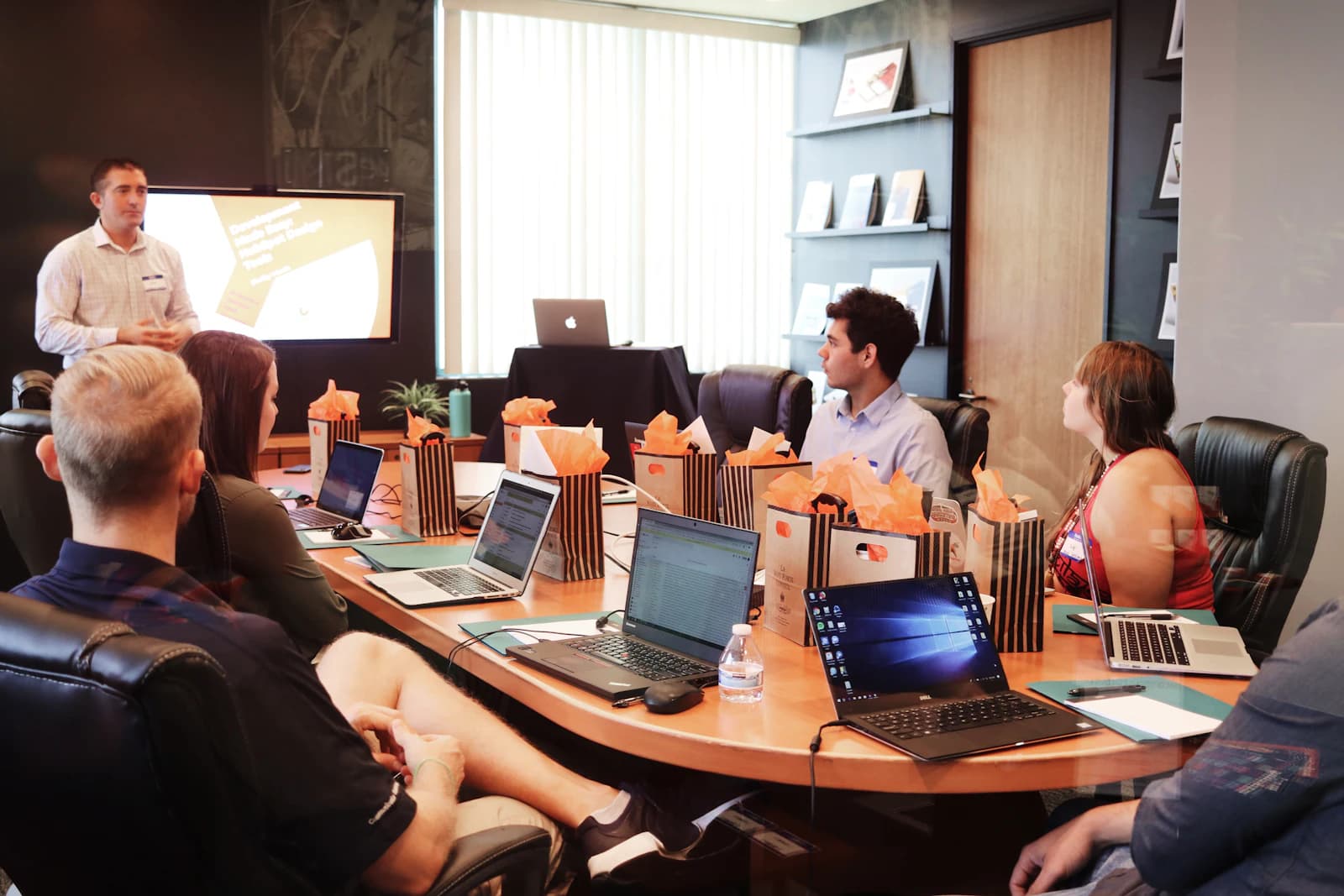
Modernizing applications, processes and customer journeys, with a change plan so people adopt them.
Transformation programme
Six workstreams, four phases, a decision at every gate
Design On track
Redesign how the work flows behind the service before anything is automated.
Open business process designCommon challenges
Challenges we solve
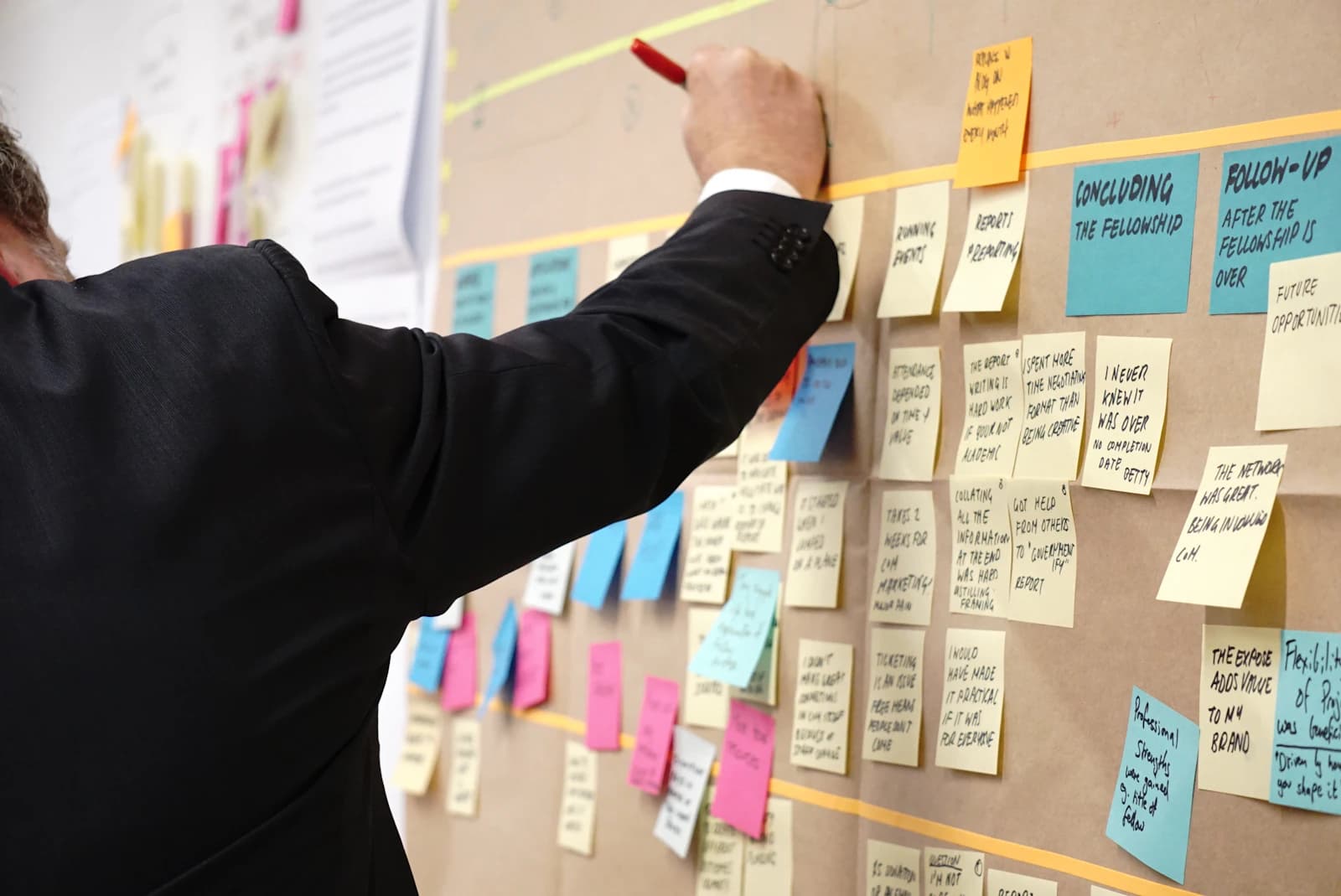
Processes held together by email and spreadsheets
Approvals, handoffs and reporting run on manual steps that nobody fully owns.
Journeys that break between channels
Customers repeat themselves when they move between web, phone and in person, because each channel runs on its own system.
Legacy applications blocking new initiatives
Ageing line-of-business applications can't support new channels, integrations or ways of working.
New tools that nobody uses
Software has been rolled out before, but adoption stalled because the change wasn't planned with the people doing the work.
How to get started
Three steps to a plan for Digital Transformation
- 1Tell us what you needUse the project form or book a call. A few sentences about the goal is enough to start.
- 2Free technical consultationWe go through your goals, users, existing systems and constraints with you.
- 3Your planA detailed plan covering the right tech stack, architecture, timeline and budget. Then you decide.
Where are you today?
From heroics to continuous improvement
Rate each business area from ad hoc to continuously improving to see which to fix first, and where our work would start.
Process maturity by area
Example ratings · click a level to rate an area
| Area | 1Initial | 2Managed | 3Defined | 4Quantitatively managed | 5Optimizing |
|---|---|---|---|---|---|
Levels 1 to 3 across your areas. A process can only move as fast as the weakest area it hands work to, so the lowest area, marked in red, is usually where to start.
Develop and manage human capital
1InitialWork depends on individuals
- Processes live in people's heads
- Spreadsheets and email carry the workload
- Results vary by who does the work
To reach level 2
Map the core processes and agree how the work should flow.
Find your starting point
Which capability do I need?
Choose what you want to do to see the capability that delivers it and what usually comes first.
Programme objective
- Objective
- Move off legacy applications
- Lead workstream
- Application modernization Supported by Change management
- Approach
- A portfolio assessment decides what to retire, rehost, replatform or rebuild, then migrates in waves.
- Entry criteria
- An inventory of applications and owners Known dependencies and contract dates
Overview
How we approach
Digital Transformation
Our team focuses on lean, agile, human-centred design to create a seamless customer experience across all channels. We help you truly understand your audience's needs by taking ownership of the customer journey: design, build, deliver, operate and optimize.
From modernizing legacy applications to redesigning how teams work, our approach stays aligned with your core business strategy so change sticks.
What we deliver
Choose a capability to see how it works, what you receive and where it applies.
- Application modernizationTransform legacy processes and applications into modern, next-generation digital solutions.Explore Application modernization
- Business process designWorkflows that reduce cost, save time and improve the experience for customers and staff.Explore Business process design
- Customer experiencePersonalized, seamless interactions that build loyalty, satisfaction and growth.Explore Customer experience
- Human-centred designExperiences that resonate with your customers because they start from real human needs.Explore Human-centred design
- Change managementAn integrated adoption plan so new tools and processes are embraced, not resisted.Explore Change management
- Line-of-business appsIndustry-aligned applications that put your business, not generic software, at the centre.Explore Line-of-business apps
Where to start
Quick wins first, then the big moves
We plan your programme so visible quick wins come first and build support for the major projects. Score each initiative for value and effort, and the roadmap re-plans.
From initiatives to a first-year roadmap
Example initiatives · scored 1 to 5 · change a score and the roadmap re-plans
| Initiative | Value | Effort | Category |
|---|---|---|---|
| 4 | 1 | Quick win | |
| 4 | 2 | Quick win | |
| 4 | 4 | Major project | |
| 5 | 5 | Major project | |
| 2 | 2 | Fill-in | |
| 2 | 4 | Reconsider |
Online forms instead of paper
Removes re-keying and lost paperwork; often a few weeks with a form and workflow tool.
Value
LittleTransformative
Effort
WeeksYears
Do these first: visible results in weeks, and the support you need for bigger change.
First-year roadmap
Decision gate before rolloutParked for review:
Transformation health check
Six areas we check first
Rate each area for your organization to see where a programme should start. We run the full health check in the readiness assessment.
Transformation health check
Rate each area for your organization
- A clear strategy with measurable goalsAre the goals tied to specific, quantified business outcomes?
- Leaders who own the changeDo leaders, including middle managers, own the change and its results?
- The right people on the workAre your most capable people freed up to work on the transformation?
- Governance that decides quicklyAre roadblocks removed quickly, with cross-functional teams and short cycles?
- Progress tracked against outcomesAre there clear metrics and targets, with data good enough to track them?
- Technology and data that can changeCan your technology change quickly and connect with partners and new tools?
Areas in place
1 of 6
Start with
The right people on the work
Our specialists work alongside your people, with knowledge transfer built into every workstream.
The full health check is part of our readiness assessment, with interviews and a plan for each area.
Operating model design
What we redesign in your operating model
We work across the six elements of how your organization delivers value: processes, organization, locations, information, suppliers and the management system. Choose an element.
Processes
The question
What work delivers the value proposition, and how does it flow?
What changes
Process maps, value streams and redesigned workflows.
Workstreams
Service blueprint
From the customer's actions to the systems behind them
We blueprint each service, lining up what customers do with the frontstage, backstage and support processes behind it, so fixes land where the problem is.
Deliverables
Handed over in formats your team knows
Every document we deliver uses a format your team, and anyone who picks up the work after us, will recognize. Choose one to see what it contains.
Process models in BPMN
Business process design
Current and redesigned processes in BPMN 2.0.2, readable by the business and executable by workflow engines.
Delivered in business process designDeliverables
What you receive
- Current-state process maps and pain points
- Customer journey maps and service blueprints
- Target processes and a prioritized roadmap
- Modernized applications and integrations
- Change management and training plan
- Adoption and outcome measures
How the work runs
From first workshop to handover
Assess
- Process mapping
- Stakeholder and customer interviews
- Systems review
Design
- Future-state processes
- Service blueprints
- Prioritized roadmap
Deliver
- Build and integrate in increments
- Application modernization
- Pilot with real users
Adopt
- Training and communications
- Change management
- Measure and optimize
How to start
From first call to production
Start where you are. Each step ends with a decision, so you commit to the next one only when it makes sense.
Engagement roadmap decision gate
- Free technical consultation
- Current-state assessment
- Pilot
- Rollout
- Adopt and improve
Free technical consultation
One or two sessions
Talk through the goal, the users, the systems involved and any deadlines.
Delivered at the gate
- A clear view of scope and priorities
- A recommended next step
- A plan covering stack, architecture, timeline and budget
By industry
Where it applies
What this service builds in each industry we serve.
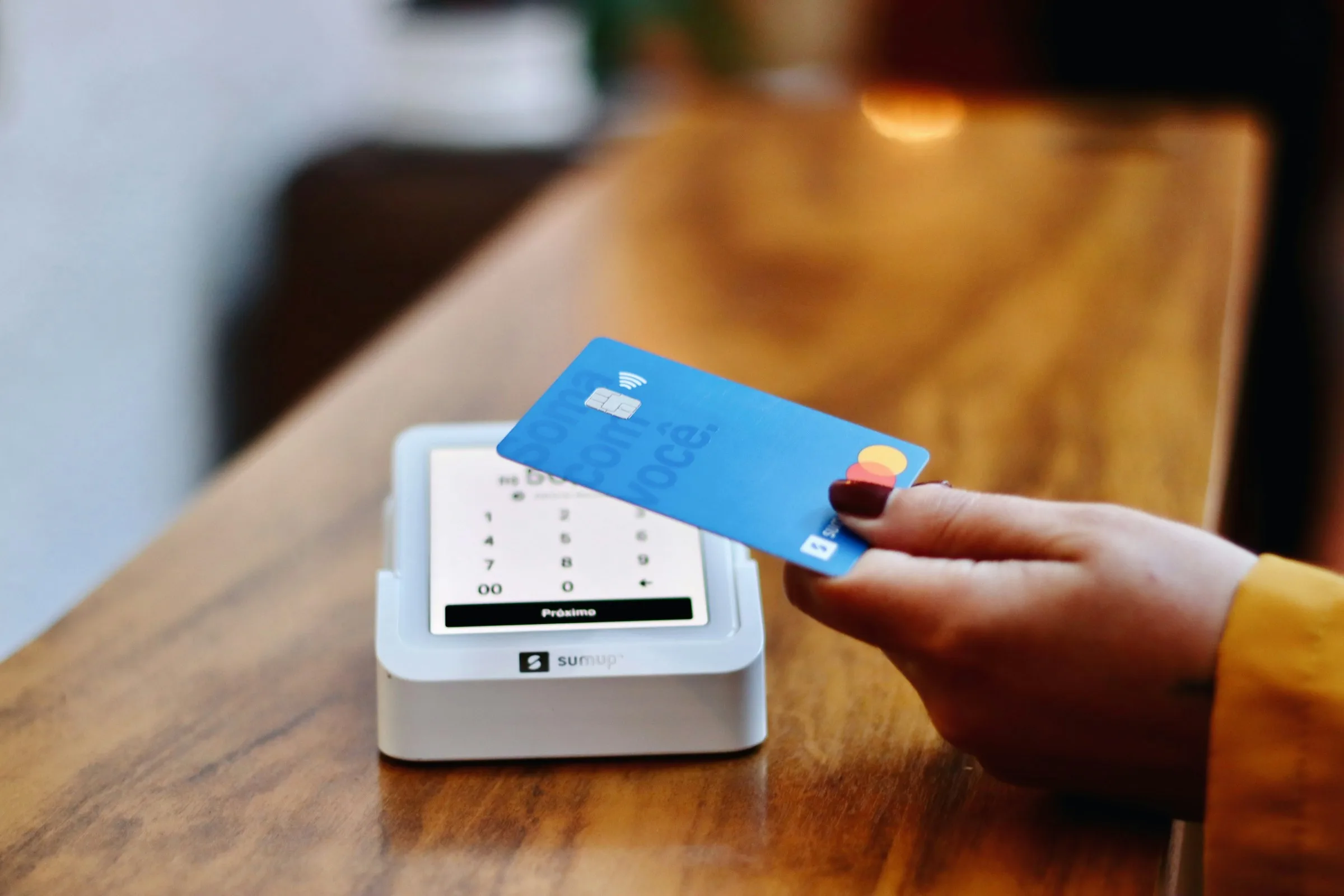 Financial ServicesCore system modernizationAPI layers around core banking or policy systems, and phased migration of legacy applications without disrupting operations.
 HealthcareWorkflow automationAutomating intake, referrals, prior authorization steps and document processing to cut manual work.
 EducationProcess digitizationReplacing paper and spreadsheet processes for approvals, timetabling and records with workflow tools.
 Non-ProfitsCRM consolidation and cleanupBringing donor, volunteer and event data into one CRM, with deduplication and integrations to your email and payment tools.
 MediaHeadless CMS and editorial workflowsStructured content, editorial workflows and multi-channel publishing from one CMS.
 ManufacturingERP and MES integrationConnecting ERP, MES, WMS and quality systems so orders, inventory and production data stay in sync.
 Real EstateTransaction managementDeal pipelines, document collection and e-signature, so agents, clients and brokers can see each transaction's status.
Technologies and standards
Chosen for your project
Built on the cloud you already use. Choose yours to see the services involved; we recommend the full stack in the free technical consultation.
Your platform
- Customer and service recordsDynamics 365
- Workflow and automationPower Automate
- Low-code appsPower Apps
- IntegrationAzure Logic Apps, Power Platform connectors
- ReportingPower BI
Workflow and platforms
- Microsoft Power Platform
- ServiceNow
- Salesforce
- Camunda
Mapping and collaboration
- BPMN 2.0.2
- SAP Signavio
- Miro
- Jira
- Confluence
Methods
- Lean
- Agile / Scrum
- Service blueprinting
- Value stream mapping
- ADKAR readiness surveys
- ITIL 4
Modernization
- Azure Migrate
- AWS Transform
- Google Cloud Migration Center
- Microsoft Cloud Adoption Framework
Questions
Common questions
about Digital Transformation
Where should a transformation start?
With the processes that cost the most time or cause the most customer friction. We map the current state first, so the work goes where redesign or digitization has the biggest effect, measured against a baseline.
Do we have to replace our core systems?
Not usually. Many of the improvements we deliver come from redesigning processes and integrating the systems you already have; we modernize an application where it blocks the target process.
How do you make sure people adopt the change?
We plan adoption from the start: the people who do the work help design it, training happens before go-live, and we track adoption after launch so problems are caught early.
How is a project priced?
Well-defined scopes are delivered as fixed-price engagements; when requirements are still evolving, we provide a dedicated team instead. Either way, the free technical consultation ends with a plan covering tech stack, architecture, timeline and budget, so you know the cost before work starts.
Explore more
Other services
- Custom Software DevelopmentFast, reliable and scalable software for businesses of all sizes, built with the latest technologies and best industry practices.
- UI/UX DesignResearch-led product design that powers the experience and future of your business.
- Data Analytics & AIOur data engineers and scientists turn raw data into valuable, actionable intelligence.
- Ecommerce SolutionsStrategy, design and development of commerce experiences that unify your customer journey.
Ready to talk about Digital Transformation?
Start with a free technical consultation: a detailed plan covering the right tech stack, architecture, timeline and budget for your project.
Start a project